
Affiliate marketing has changed so much over the past year, and I think that is exactly why this conversation keeps coming up again.
I’ve found myself thinking about it more, not just from a strategy standpoint, but from how it actually shows up in our day-to-day content and what feels natural versus forced. Because if I’m being honest, there was a long stretch where it felt very black and white. You picked a platform, you built within it, and that was your lane. For most people, it was either ShopMy or LTK, and once you committed, that was kind of the end of the conversation.
But that’s just not how it works anymore. And it’s not how it should work anymore.
Both platforms have evolved, but more importantly, the way we create and share content has evolved too. What used to feel like a backend decision now feels much more tied to storytelling, audience behavior, and honestly just how people prefer to shop.
Where the Difference Still Matters
At their core, the differences between the two platforms are still there, and I actually think understanding that foundation makes everything else make more sense.
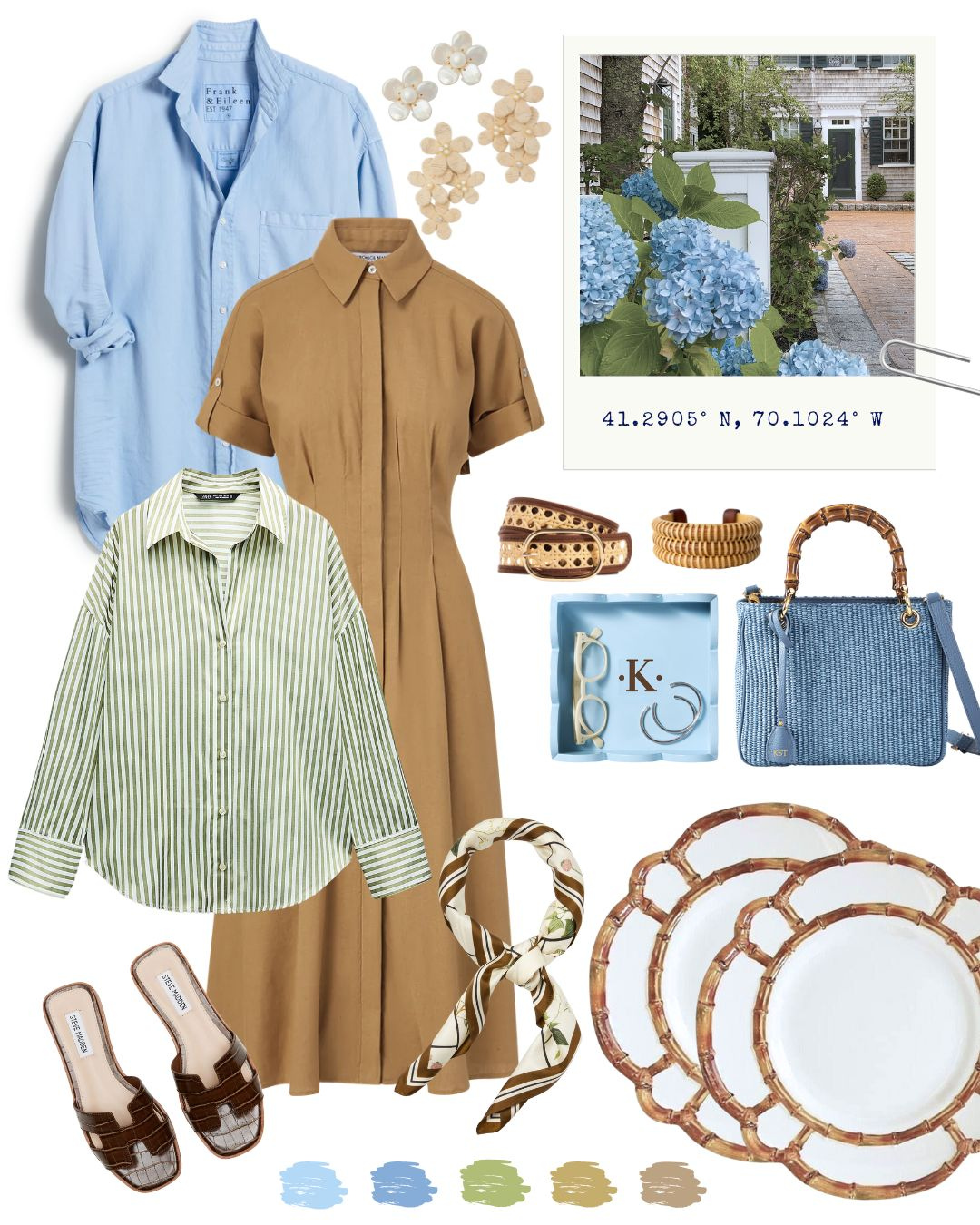
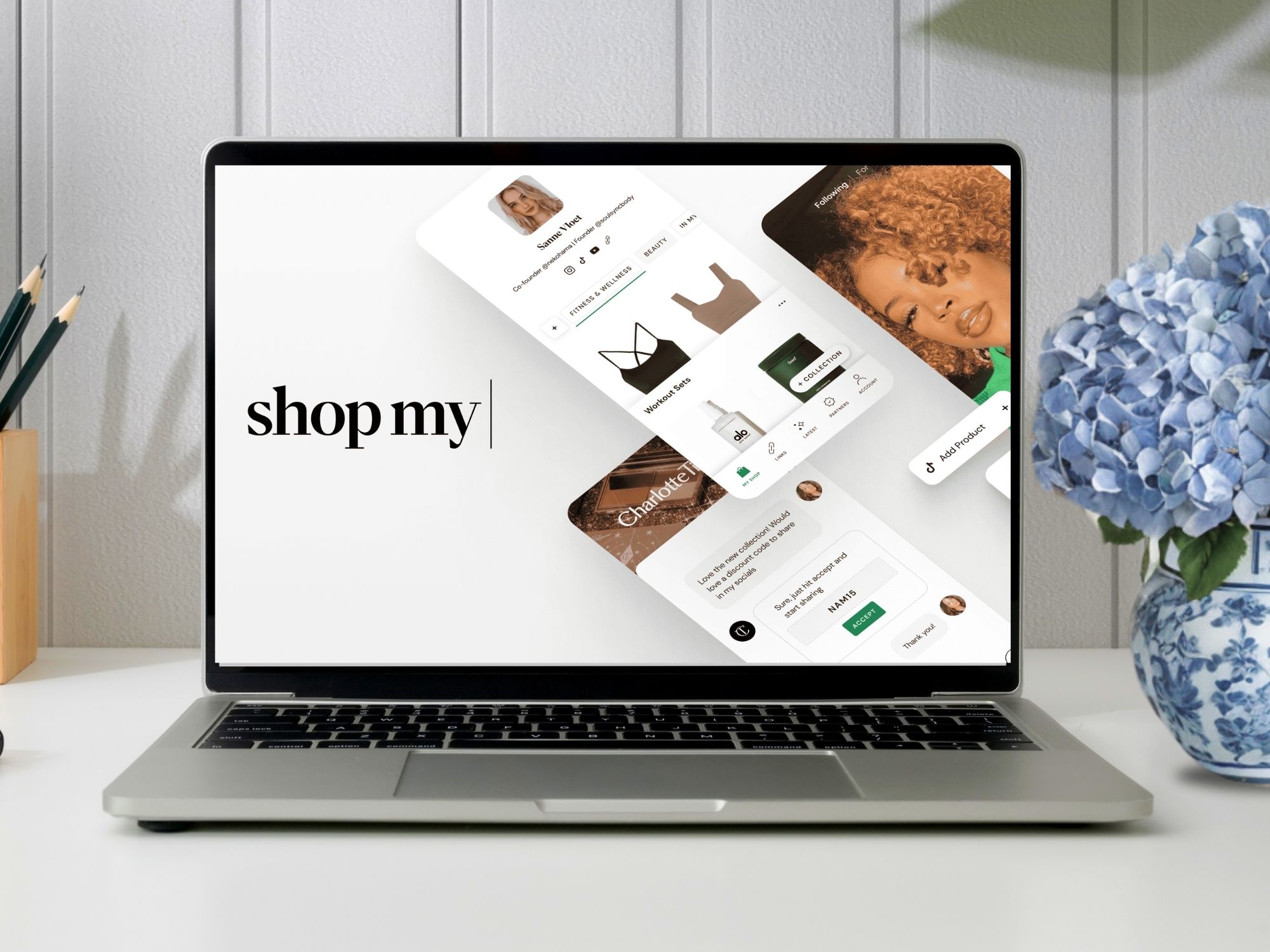
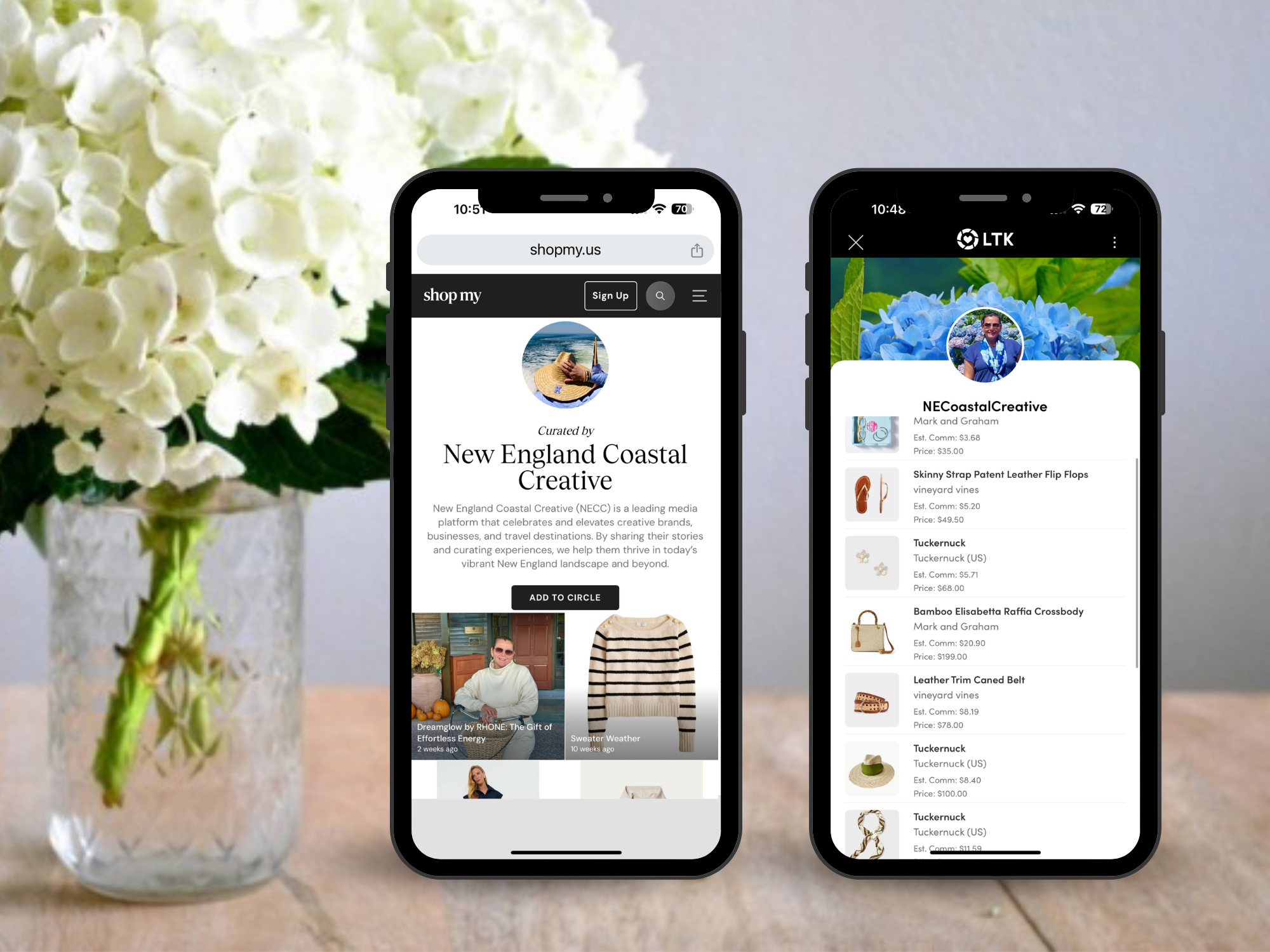
ShopMy, to me, feels like a space you build. It’s slower, more intentional. It’s where you can organize your thoughts, your recommendations, your edits, and create something that reflects your taste in a way that feels layered and considered. It reminds me a little bit of putting together a really thoughtful guide or even merchandising your own little boutique online.
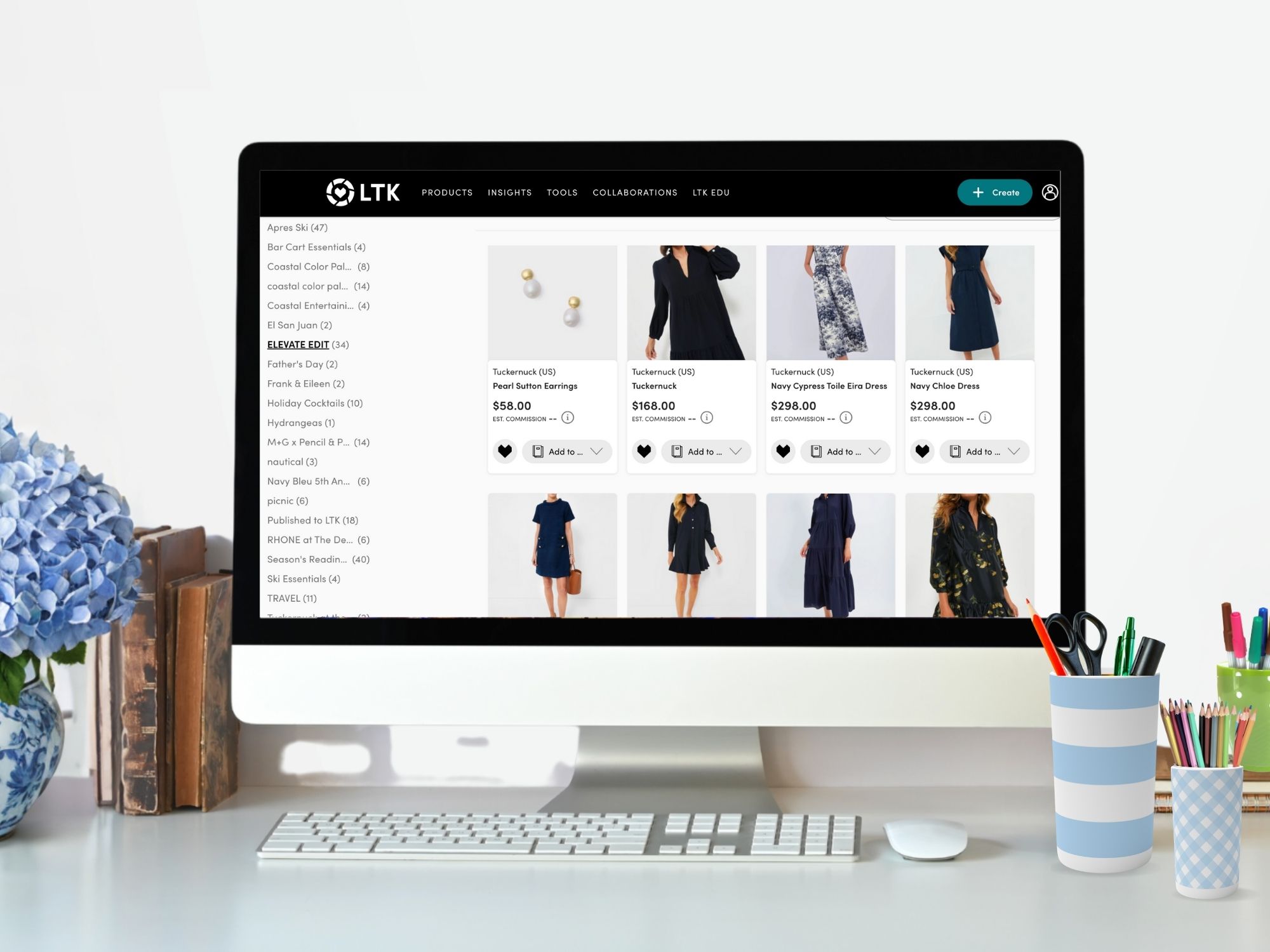
LTK has a completely different energy. It’s active, it’s immediate, and there’s already a built-in behavior of people going there ready to shop. You’re meeting someone in the middle of a decision instead of inviting them into a curated experience. That difference is subtle, but it really matters.
And I don’t think one is better than the other. They just serve very different roles, which is where I think people sometimes get tripped up.
How Creators Are Actually Using Them Now
What I’ve noticed, both personally and across our community, is that most creators aren’t choosing anymore. They’re layering.
When I think about how I naturally use ShopMy, it almost always ties back to content that has a little more depth to it. Blog posts, newsletters, curated edits, even seasonal roundups. It gives you the space to tell a fuller story, and the products become part of that story instead of the entire point of it.
There’s also something about it that feels a little less transactional. You’re sharing things because you genuinely love them and they fit within a larger point of view, not just because someone might click and buy in that exact moment.
LTK, on the other hand, really shines in the everyday. The quick outfit post, the “I’ve been getting so many questions about this,” the things people want instantly. It captures momentum in a way that feels really aligned with how we’re all consuming content right now. Fast, visual, and actionable.
So instead of replacing each other, they actually support different parts of the same content ecosystem, which I think is the piece that has shifted the most.
Why This Matters for Brands Too
This shift is just as important for brands to understand, and honestly, I don’t think it’s talked about nearly enough.
Where your product shows up now is just as important as how often it shows up.
On ShopMy, when a creator includes your product, it usually means it’s been thoughtfully placed within a larger edit. It’s sitting alongside other pieces that reflect that creator’s taste, their lifestyle, and their point of view. That kind of placement builds a different level of trust. It feels chosen, not just shared.
With LTK, the value is more about visibility and consistency. Your product can show up across multiple creators, multiple posts, multiple moments. There’s a repetition there that can drive awareness and, very often, faster conversion.
Both are incredibly valuable, but they work in very different ways, and understanding that can really change how a brand approaches partnerships.
What Has Really Changed
The biggest shift, at least from where I sit, is that this is no longer about choosing a platform. It’s about understanding the flow.
Content is rarely living in just one place anymore. Someone might discover a piece of content on Instagram or TikTok, click through to LTK when they’re in a buying mindset, and then circle back later to ShopMy when they want to browse, save, or revisit recommendations in a more organized way.
It’s all connected now, whether we’re intentionally building it that way or not.
And once you start thinking about affiliate through that lens, it becomes a lot less about tools and a lot more about how people actually move through your content.
Where We Are Landing
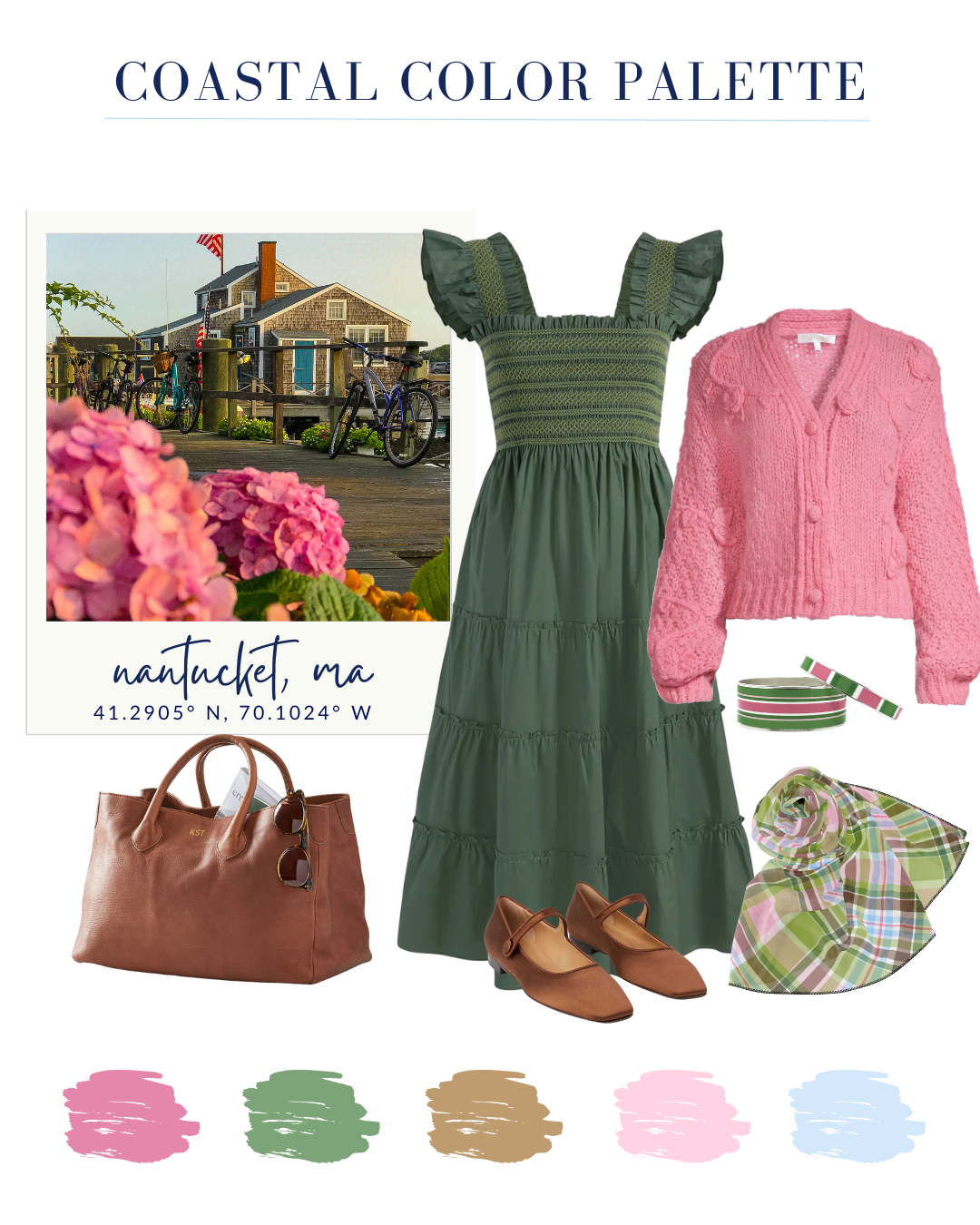
For us, this has meant leaning into ShopMy as a home for more curated, editorial-style content, especially as we continue to build out more through Shorelines. It just aligns really naturally with how we already think about storytelling and how we like to present things.
At the same time, LTK still plays an important role. It captures the everyday moments, the quick shares, the things people are already engaging with in real time.
It doesn’t feel like a choice anymore. It feels more like a balance.